
Jump to:
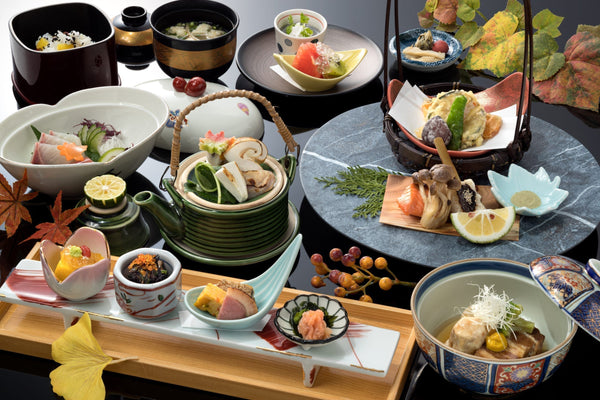
If you want to savor the pinnacle of Japanese cuisine, think kaiseki. Kyoto, the birthplace of Japanese haute cuisine, is also the ultimate place for such a gourmet tryst. That said, and fine-dining prices aside, how can you be sure your reservation will deliver a truly authentic experience?
Navigating the world of Kyoto Kaiseki often shows a sharp disconnect between popular and elite listings compared to the more personalized establishments favored by Kyoto locals. To know where to eat Kaiseki in Kyoto, savvy foodies turn to apps like Tabelog, Gurunavi, Omakase, and others.
Tabelog, however, ranks as Japan’s most influential and statistically rigorous review platform. Its algorithm weights repeat local reviews, credibility, recent impressions, and review consistency. Based on these criteria, we present 8 of the best Kaiseki restaurants in Kyoto with the data-backed credibility of Japan’s toughest critics.
How Much Does a Kyoto Kaiseki Meal Cost?
An authentic Kyoto-style Kaiseki meal featuring seasonal and heirloom ingredients matched to skilled craftsmanship costs around 15,000 JPY for lunch and 30,000 JPY or above for dinner per person. A dinner menu under 10,000 JPY is more than likely a watered down tourist experience or skimping on ingredient quality.
A standard service charge of between 10–15% is often included together with a 10% consumption tax and any additional beverages. You can multiply the menu price by 1.3 if you need to play it safe.
Lunch menus offer the ultimate price hack, with establishments like Jiki Miyazawa offering lunch for nearly half the price. Lunch reservations are often easier and they provide the highest ratio of food quality to spend.
-
Ultra-premium (¥30,000 to ¥50,000) such as Kyoto Kitcho Arashiyama Honten, Kikunoi Honten, and Hyotei Honten reflect historic prestige in a traditional setting.
-
High-end chef-driven (¥18,000 to ¥30,000) including Mitsuyasu, Kiyama, and Kyo Kaiseki Kichisen offer more personalized experiences with strong, local appeal.
-
Approachable mid-range (¥8,000 to ¥20,000) like Jiki Miyazawa and Wagokoro Izumi provide excellent seasonal cuisine at competitive prices.
Our selection of restaurants ranks from the highest to the lowest aggregate scores according to Tabelog, giving preference to recent impressions and consistency of repeat local bookings:
1. Kiyama - Best for First-Time Kaiseki Diners

Kiyama exemplifies contemporary Kyoto Kaiseki that blends tradition with a slightly modern sensibility in a refined atmosphere. As of 2026, Kiyama maintains a rare high rating due to strong local approval and frequent praise for consistency, purity of cuisine, and the overall experience.

Kiyama’s clarity of flavor is partly due to the soft ground water taken from their onsite well. Guests can often choose from several distinct preparations, such as egg-topped rice, salt-grilled eel on rice, or small seasonal bowls, offering a welcomed deviation from a strict set menu format.
Kiyama is well suited to first-time Kaiseki diners who want a casual, yet high-level experience still deeply rooted in Kyoto’s culinary tradition.
2. Kyoto Kitcho Arashiyama Honten - Best for Ultra-Luxury & Historic Experience

Kitcho Arashiyama is synonymous with the peak of Japanese Ryotei, encompassing architectural prestige, seasonal decor, manicured gardens, and omotenashi hospitality. Although an elite Kyoto establishment carrying national awards and hosting state visitors, its roots stretch from Kobe city in Hyogo Prefecture.

Guests dine in private and spacious tatami rooms, while food is served in antique-grade vessels or hand-painted wooden boxes. Lunch time reservations can also incorporate boat rides departing from their jetty. The menu adheres to the classic multi-course Kaiseki format, including signature grilled dishes, premium quality rice, and proprietary dashi that defines the purity of Kyoto's culinary heritage.
Despite being an ultra-premium establishment, Kitcho Arashiyama maintains a consistently high Tabelog ranking, famously critical of cost-performance.
3. Kyo Kaiseki Kichisen - Best for Chef-Driven Personalized Dining
Kyo Kichisen is known for its finely curated ingredients, such as salt-cured cherry blossoms or delicately sliced conger eel. Unlike more rigid settings, Kichisen offers a five-seat counter that accommodates solo travelers alongside private tatami rooms for groups and couples.

Before any food is served, guests are presented with a small cup of premium sake offered at the nearby Shimogamo Shrine. Strong, local review engagement reflects consistent diner appreciation of refined presentation and classic cha-Kaiseki principles.

Kichisen is an ideal choice for those who want an experience that bridges the gap between Kyoto traditions and the personality of a legendary chef.
4. Hyotei Honten - Best for Historical Immersion

Hyotei is one of Kyoto’s oldest and continuously operating restaurants, with a history of over 400 years. Originally a tea house for pilgrims, it preserves a ‘mountain retreat’ atmosphere, featuring thatched-roof tea rooms and quiet gardens. It ranks high in terms of repeated visits and consistent high praise.

Guests can dine in individual tea rooms for total privacy and historical immersion. Hyotei’s soft-boiled eggs are legendary, and there are Kyoto bento lunch boxes, dim sum, tea ceremony and breakfast offerings.
5. Wagokoro Izumi - Best for Local Legacy & Sake Pairing

Wagokoro Izumi represents the continuation of a true legacy. The space was formerly occupied by the world-renowned Sakurada, which, for 25 years, was one of Kyoto’s most difficult reservations. When Isuzu Sakurada retired, chef Izumi moved his existing restaurant, Wagokoro Izumi, into the vacant Sakurada building at the master's request in 2016.

Wagokoro Izumi is in the heart of Kyoto, five minutes from Karasuma and Shijo stations. It remains a small, refined Kyoto Kaiseki restaurant and is known for its range of Kyoto sakes, some developed in cooperation with select breweries.
6. Kikunoi Honten - Best for Formal Elegance & Seasonal Perfection

Located in a serene, garden compound, Kikunoi Honten is one of Kyoto’s most revered Kaiseki destinations. Its institutional status means many local and outsiders will visit at least once for a truly traditional and pinnacle experience. The kirei-sabi aesthetic reflects a blend of refined beauty and rustic elegance. Guests dine in formal private rooms for a quiet, focused experience.

Named ‘Chrysanthemum Well’ after the nearby Kikusui aquifer, the restaurant uses this exceptionally soft water to draw out a deep umami for its dashi. The kitchen focuses on ‘eating the seasons’ and highlighting the peak of the current harvest.
7. Jiki Miyazawa Casual Yet Creative Kaiseki
 Jiki Miyazawa is located near the bustling Nishiki Market. It offers a counter-only Kaiseki experience that is slightly more avant-garde, blending minimalism with playful creativity.

8. Mitsuyasu - Best for Intimate, High-Focus Dining

Mitsuyasu is a contemporary Kaiseki restaurant nestled in a 150-year-old machiya townhouse near Nijo Castle. It offers quintessential intimate dining with only one group of 2 to 4 people per day, thus guaranteeing the full attention of the chef. For this reason, and its minimalist, high-impact execution of Kaiseki principles, the restaurant draws consistent local reviewer enthusiasm and quality feedback.

Mitsuyasu is the best fit for seasoned Kaiseki diners who may prefer an intimate, residential setting. It is a quiet dining experience where the sounds of the open kitchen and the texture of the antique tableware are as important as the food.
Mitsuyasu is a cash only establishment, and reservations are notoriously difficult due to the one-group-per-day limit.
Essential Tips for Kaiseki Dining
Enjoying a Kaiseki meal in Kyoto is as much about etiquette and preparation as it is about the food.
- Plan and Book Ahead - Nearly all Kyoto Kaiseki establishments operate on a strict reservation-only basis. The most prestigious venues often book out weeks or even months in advance.
- Consider the Lunch Service - A lunch reservation is often easier and significantly more affordable than dinner. While the menu may be slightly less opulent, the quality and experience are much the same.
- Adhere to the Dress Code - Even for a lunch service, smart casual is the minimum requirement. Avoid shorts, t-shirts, and open-toed sandals. Dressing up a little shows respect for the venue and the hospitality of the chef.
- No Perfumes - Avoid wearing heavy perfumes, colognes, or strong deodorants. Kaiseki relies heavily on the subtle aromas of seasonal ingredients and delicate dashis.
- Punctuality and No-Shows - Arrive exactly at your scheduled time. Many kitchens prepare specific dishes to be ready the moment you sit down or soon after.
- Communicate Allergies Early - Kaiseki restaurants do not typically cater to vegans or vegetarians, but they will consider common food allergies. Some establishments may require a week’s notice to accommodate your requests.
- Vegan Option - For strict dietary needs, consider a Shojin Ryori or pure Zen-Buddhist Kaiseki experience in Kyoto.
Kyoto Travel Guide
If you're planning to stay in Kyoto, check out our full Kyoto travel guide with itineraries, covering what to do, what to eat, where to stay, what and where to shop, and everything you need for a smooth, stress-free Kyoto trip.


0 comments