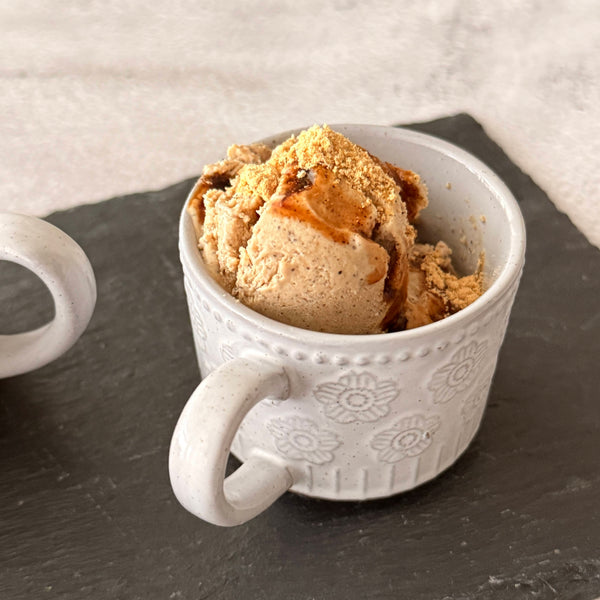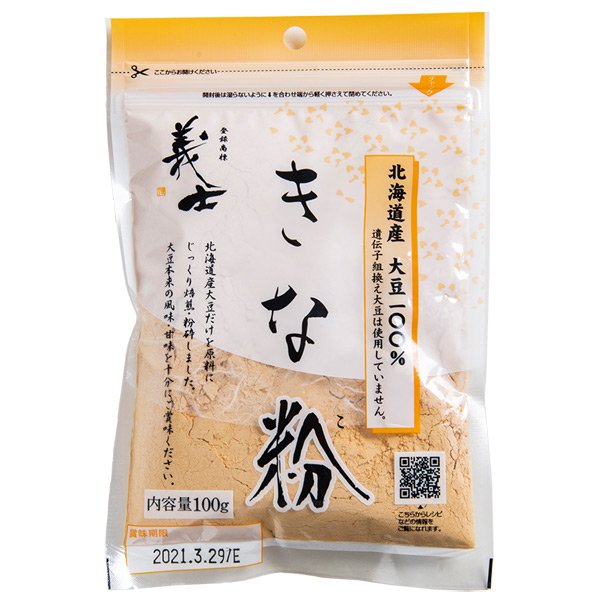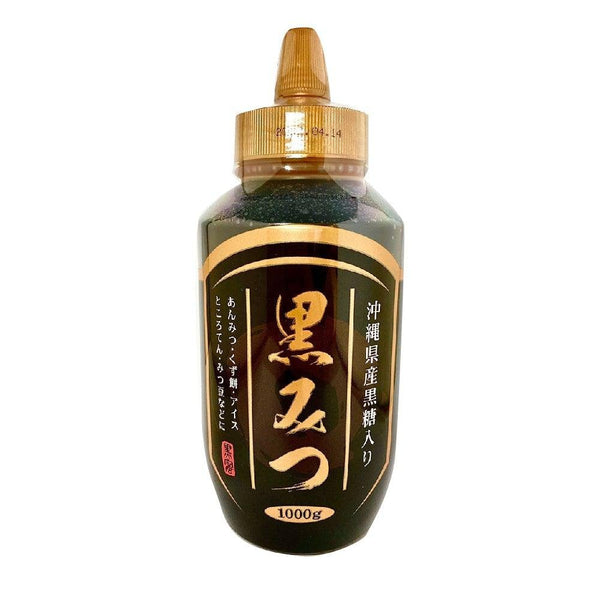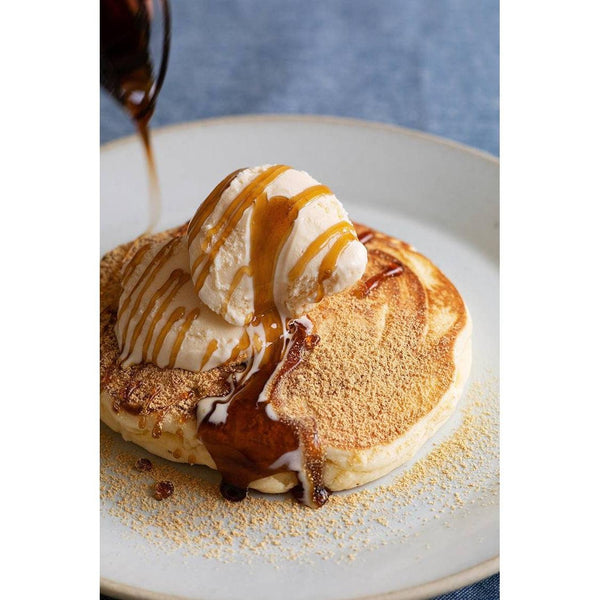
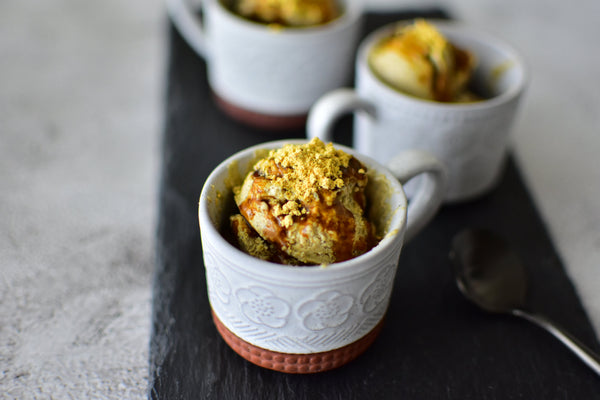
Kinako is a finely ground roasted soybean powder. It has a nutty flavor like almond with a subtle sweetness, while kuromitsu is a traditional Japanese syrup made from unrefined brown sugar, often called “kokuto” in Japanese. I personally think that kinako and kuromitsu are one of the most iconic flavor pairings in Japanese sweets.
The unique, delicate nuttiness of kinako is beautifully enhanced by kuromitsu, which adds a rich, deep sweetness and a smooth, velvety texture that elevates the overall mouthfeel. I’ve always loved this pairing, and today I’m excited to show you how to bring this combination into ice cream in this article.
Why You’ll Love This Recipe
This ice cream brings together two deeply traditional Japanese ingredients in a simple, delicious dessert. Unlike many ice cream recipes that require special equipment, this one is easy to make at home with just a few ingredients.
Ingredients Overview
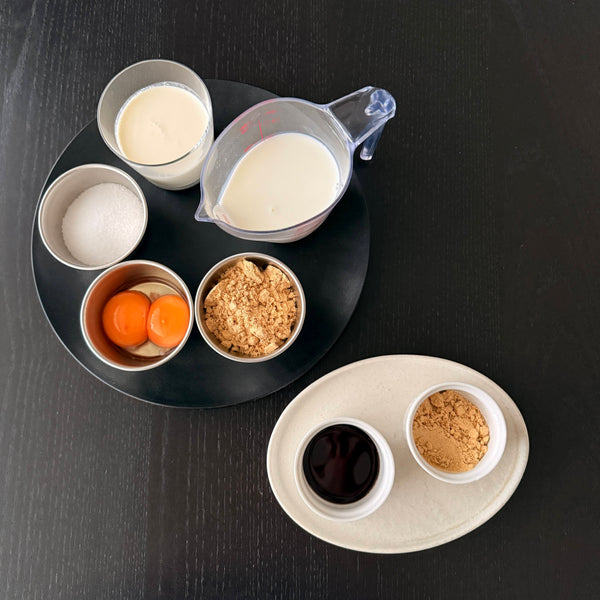
Kinako - Kinako is a key ingredient in this recipe. I chose kuromame kinako (kinako made from black soybeans) for its deeper, richer flavor. The taste of kinako varies depending on the product, so you can choose one that suits your preference. Be careful not to confuse it with “daizu-ko” (soybean flour or soybean powder in English). Although they may look similar, daizu-ko is made from raw, unroasted soybeans that are simply ground, while kinako is made from roasted soybeans that are then finely ground, giving it its characteristic nutty aroma and flavor.
Kuromitsu - a traditional Japanese syrup made from kokuto (black sugar), mainly produced in Okinawa and Kagoshima. It has a rich, distinctive flavor that defines its character. While taste can vary within Japan, traditional production methods distinguish authentic kuromitsu from similar syrups like molasses or jaggery made abroad.
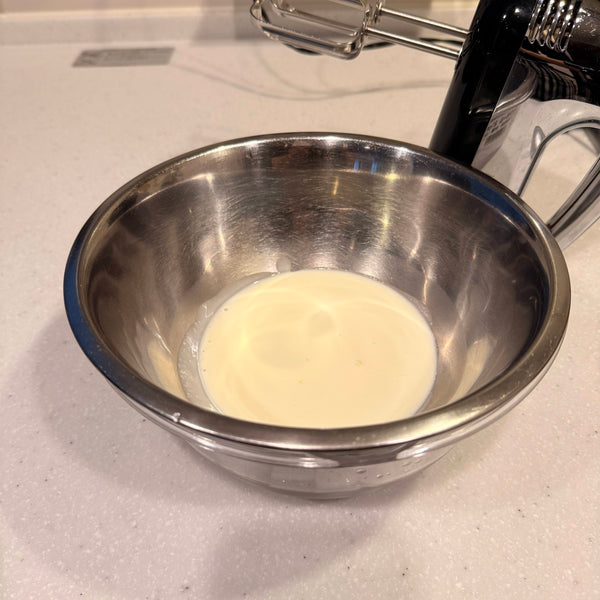
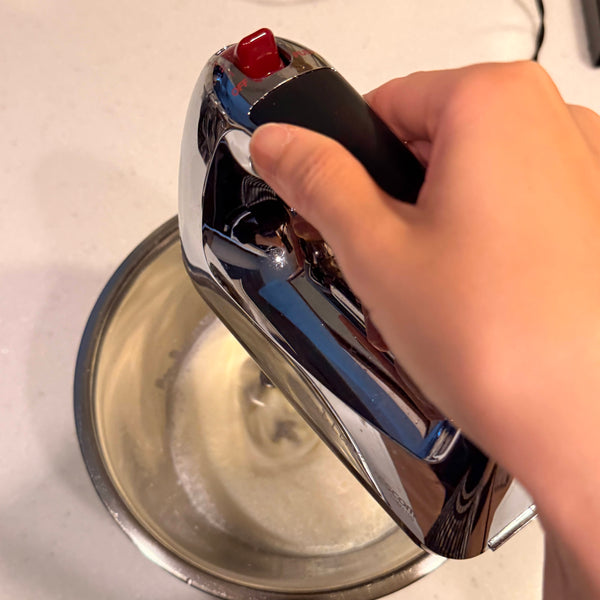
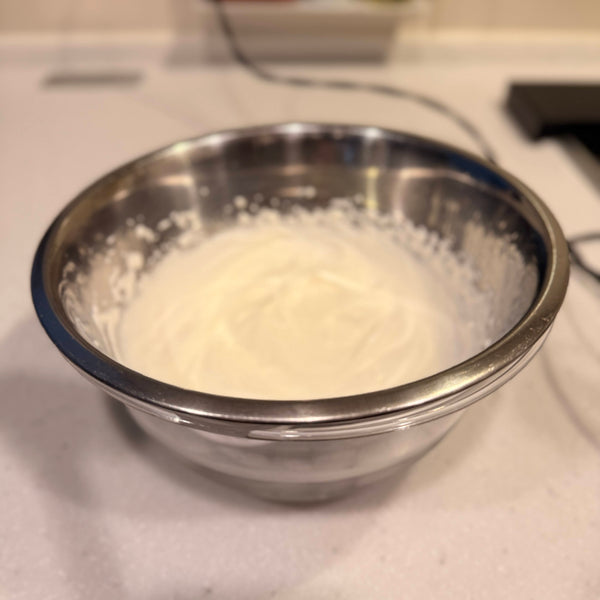
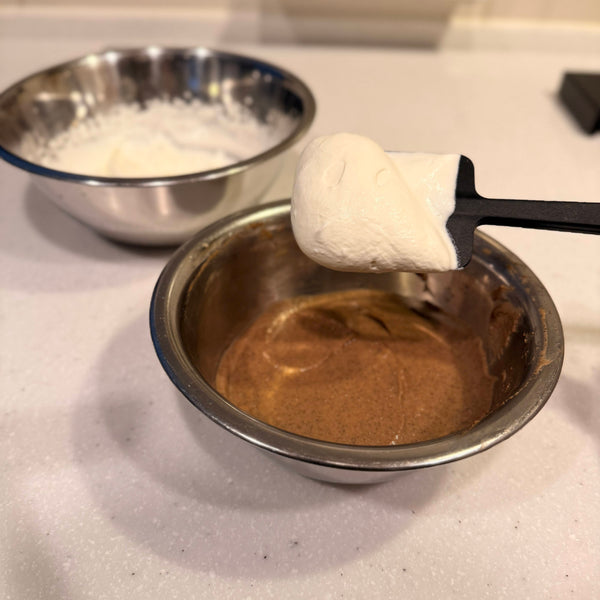
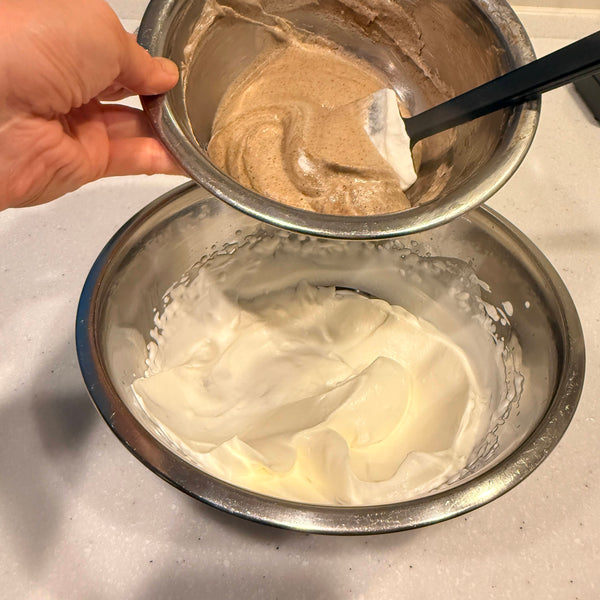
Heavy Cream - Whipping the heavy cream is key for this recipe, as it incorporates tiny air bubbles that give the ice cream a light, airy texture and reduce the need for constant stirring during freezing.
Tips to Know Before You Start
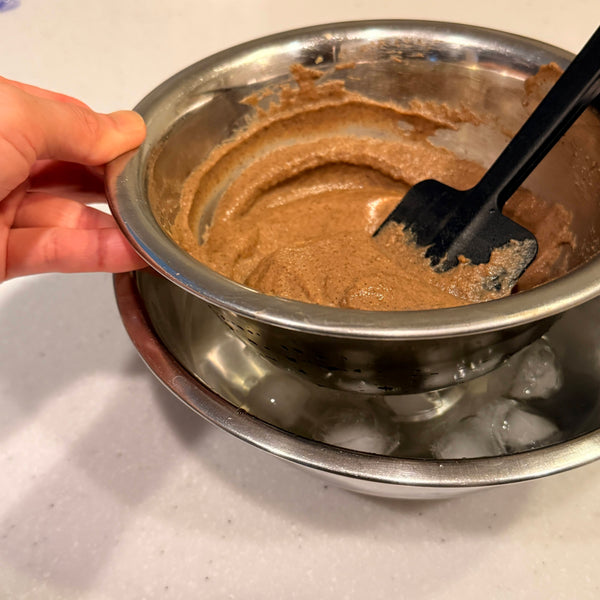
This recipe requires ice in both step 5 and step 6, so be sure to have a bowl of ice ready in the freezer beforehand.
Variations & Serving Ideas
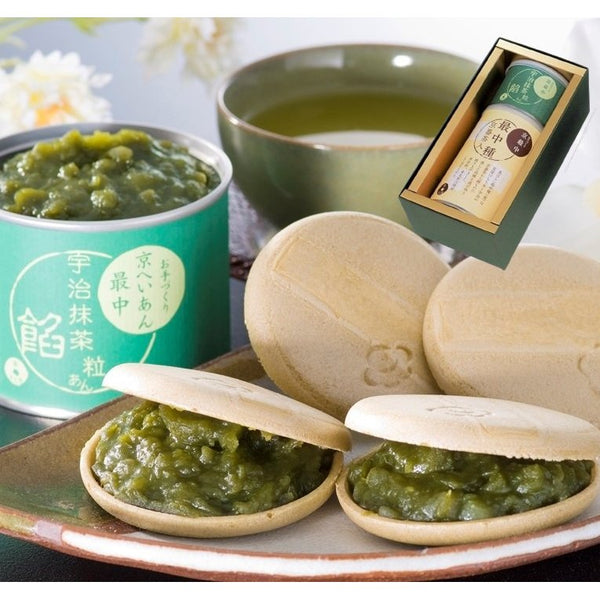
If you’d like to add a twist to kinako ice cream with kuromitsu, try topping it with gyuhi (a soft mochi-like sweet made from glutinous rice flour) or sandwiching it with monaka wafers. Both variations keep the balance of kinako and kuromitsu while adding an extra texture and flavor contrast.
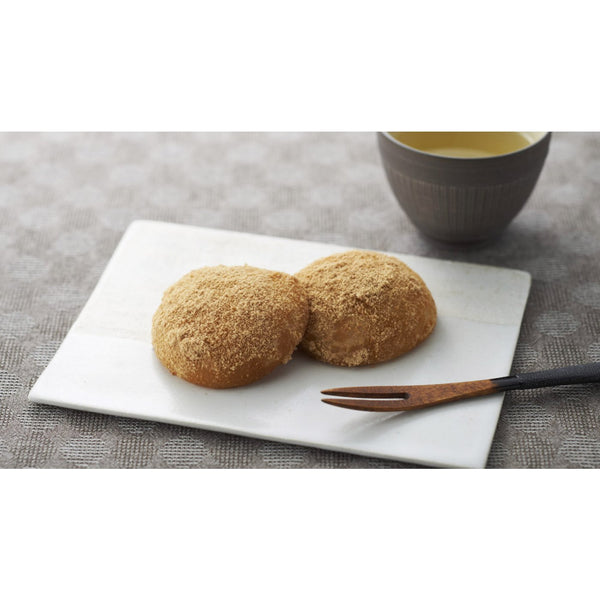
Every time I use these ingredients together, I’m reminded of Shingen-mochi which is a very popular, traditional packaged mochi dessert with kinako and kuromitsu from Yamanashi prefecture, and that is my favorite! Actually, they have Shingen-mochi ice cream in their line-ups, and they pair kinako & kuromitsu ice cream with chewy mochi!
Like this recipe? You may also like:
Matcha ice cream : I recommend topping this matcha ice cream with kinako and kuromitsu for an added layer of flavor.
Sesame ice cream : A creamy, no-churn black sesame ice cream made with rich nerigoma (sesame paste), offering a nutty, toasty flavor and smooth texture.
Azuki ice cream : A classic Japanese azuki ice cream made with sweet red beans in a creamy custard base for a lightly sweet, smooth, and refreshing dessert.
Instructions
1) Gather the Ingredients
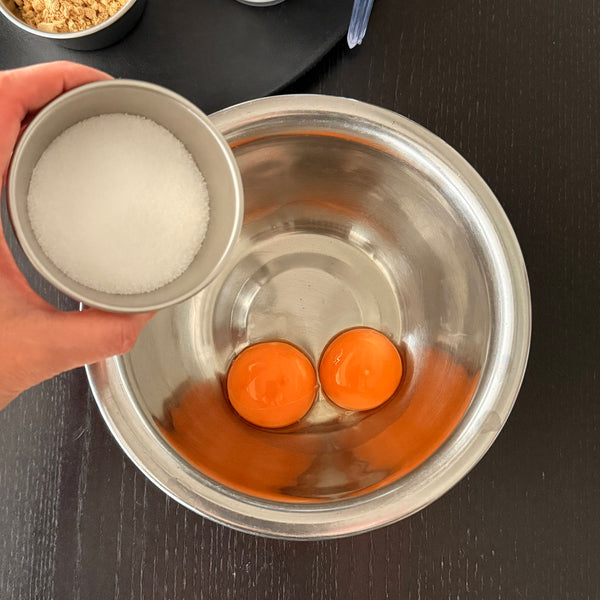
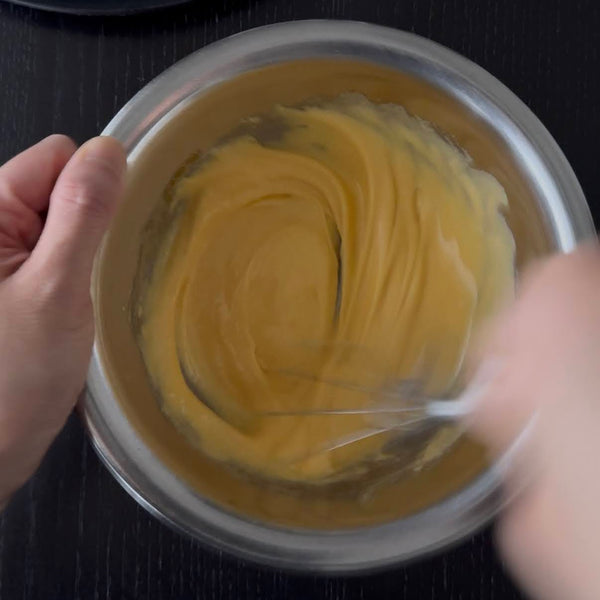
2) Combine the Egg Yolk and Granulated Sugar
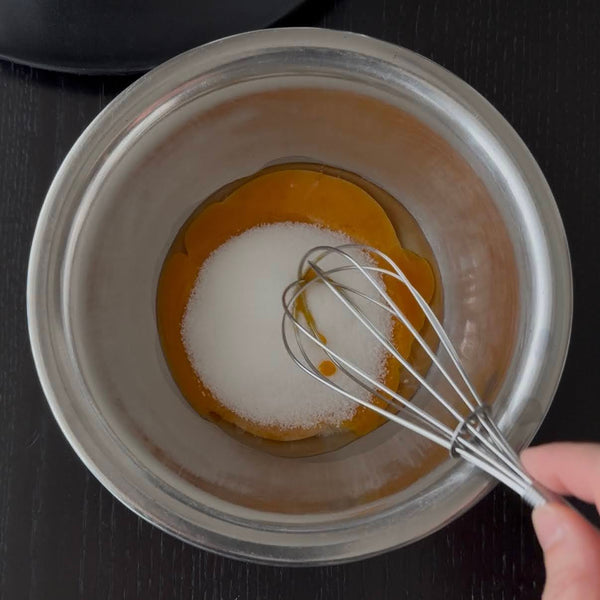
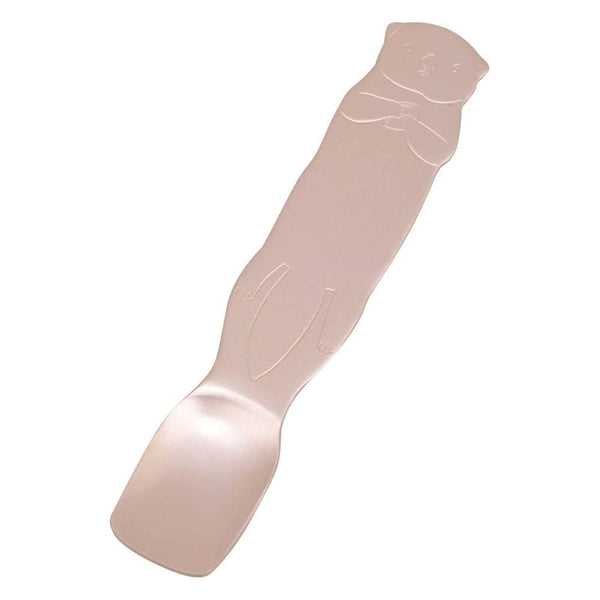
Expert's Tip
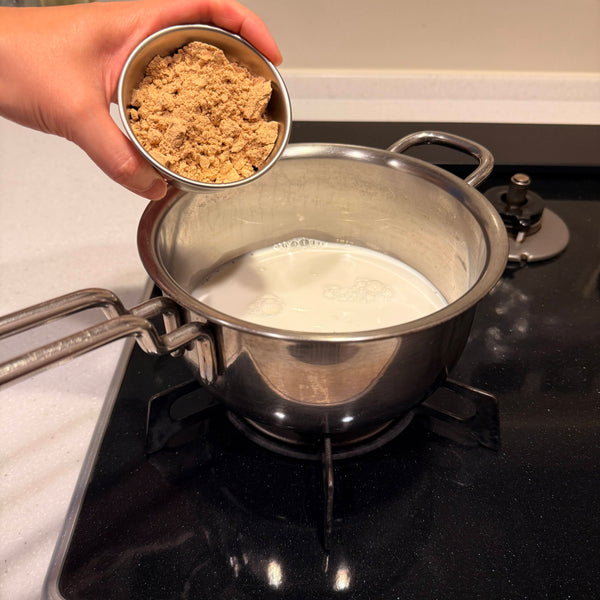
3) Heat the Milk
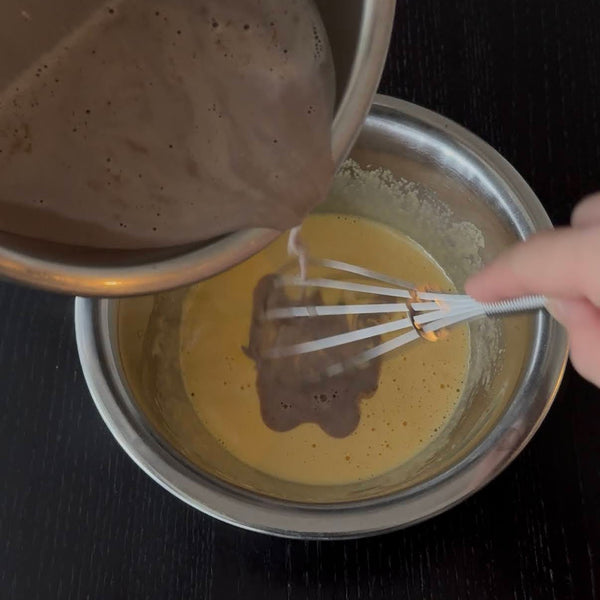
4) Strain the Mixture
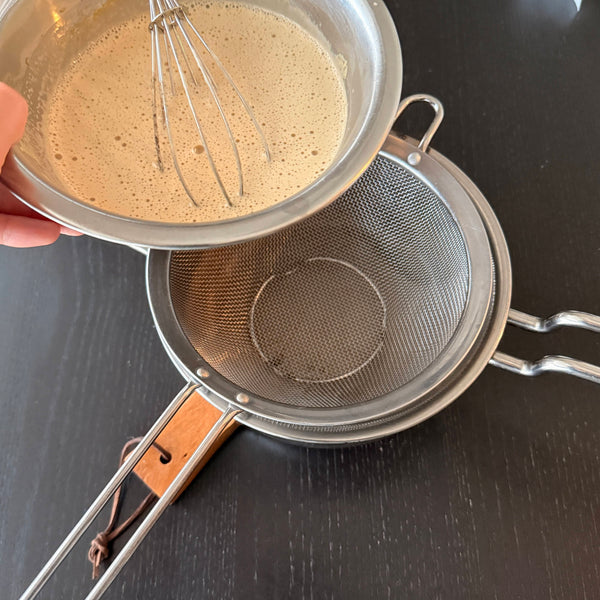
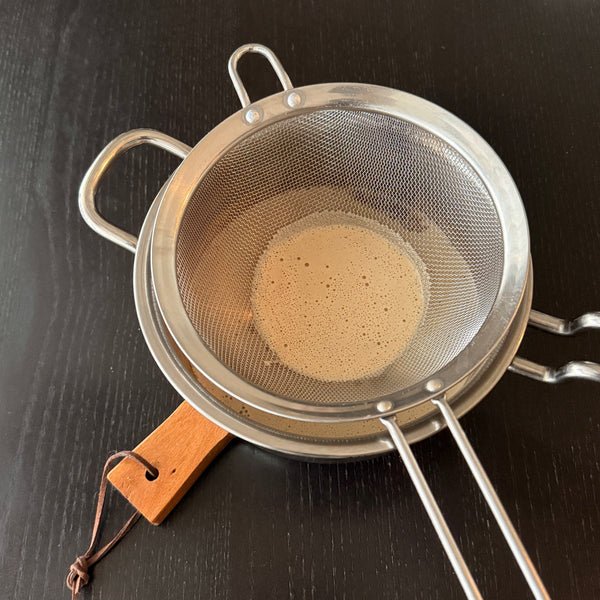
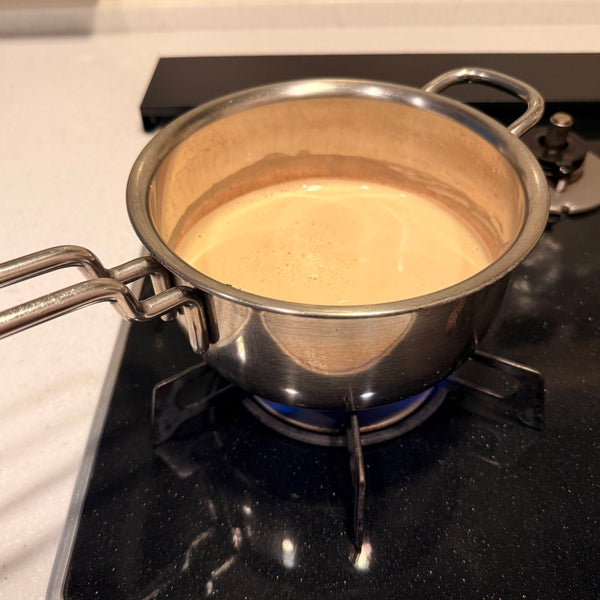
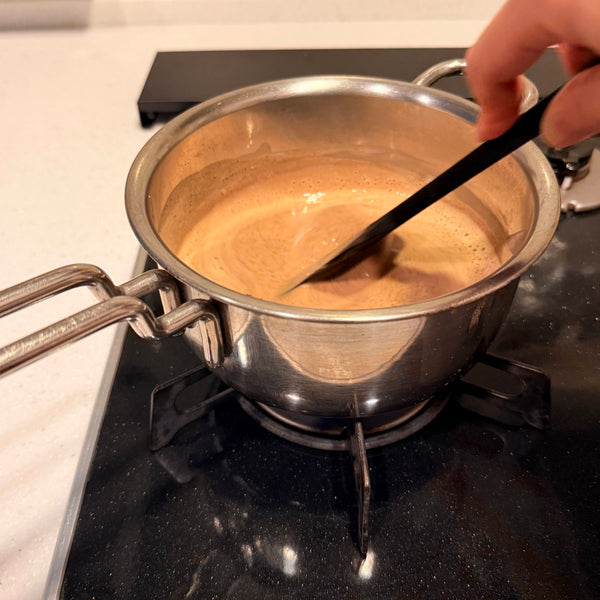
5) Heat the Mixture
6) Whip the Heavy Cream
7) Freeze the Mixture
8) Serve & Enjoy!