Jump to:
Lotus Root Chips: A Healthy & Crispy Snack
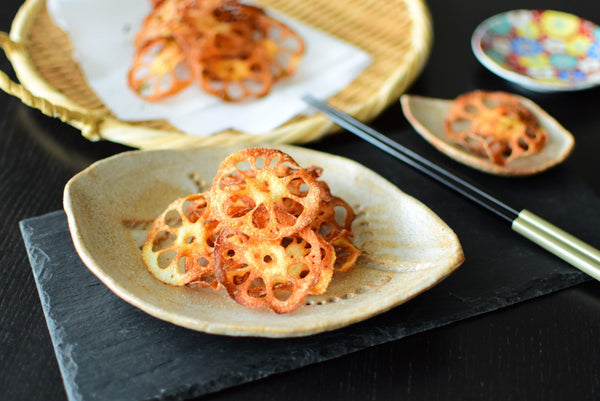
While potato chips are famous, lotus root chips are a nutritious alternative rich in Vitamin C and fiber. Despite its name, the lotus root (Renkon) is actually an enlarged stem. It is a staple in Japanese dishes like Kinpira or Chikuzen-ni, but making chips is the easiest way to enjoy it.
Tips for Perfection
-
Use a Slicer: Thin slices ensure maximum crispiness.
-
Soak in Water: This removes excess starch for a better crunch.
-
Dry Thoroughly: Use paper towels to remove moisture before cooking.
-
Maintain 180°C: Proper oil temperature prevents the chips from becoming oily or burnt.
These versatile chips are perfect as a snack or a salad topping. In this guide, we will cover three cooking methods: traditional frying, oven-baking, and air-frying. Choose your favorite and let us know how they turn out!
Instructions
1) Gathering the Ingredients
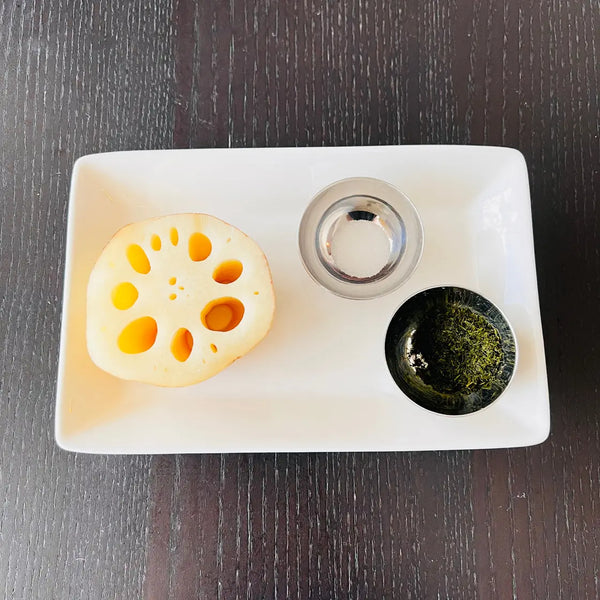
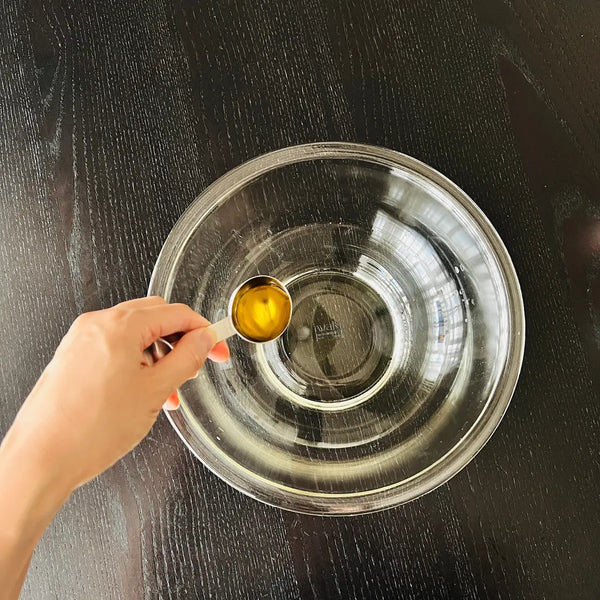
Gather the ingredients together. Also, prepare the vinegar water.
2) Slicing the Lotus Root


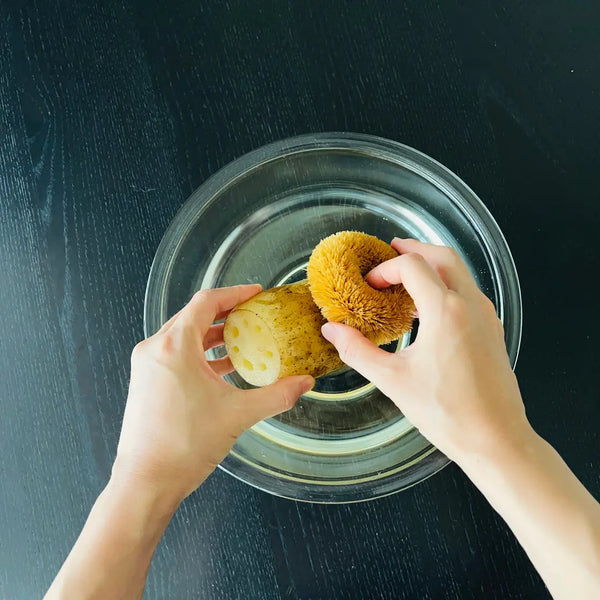
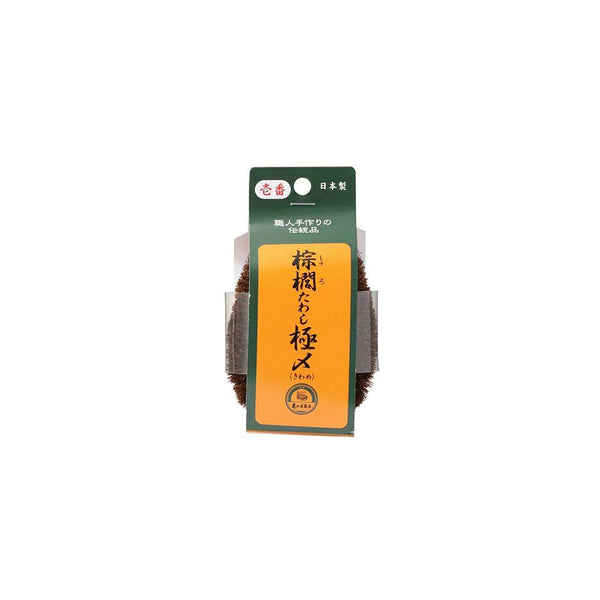
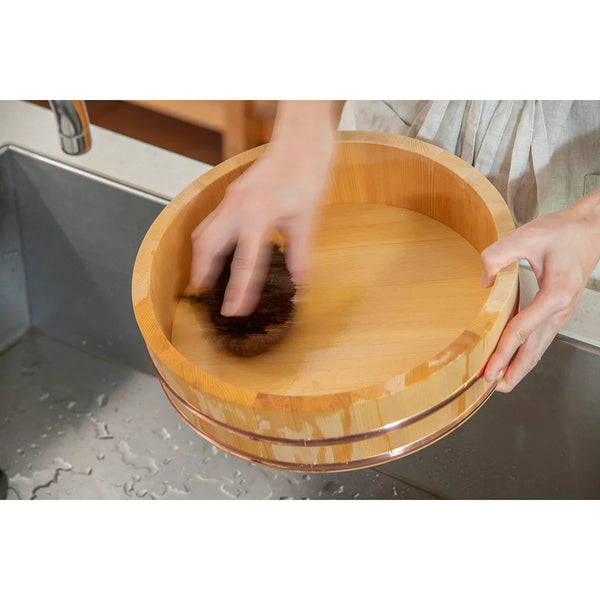
Wash the lotus root gently with a Tawashi as we will be using the whole lotus root without peeling off the skin.
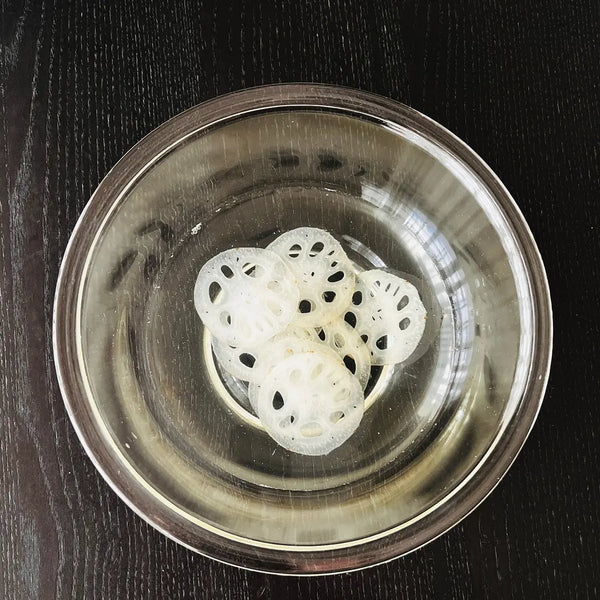
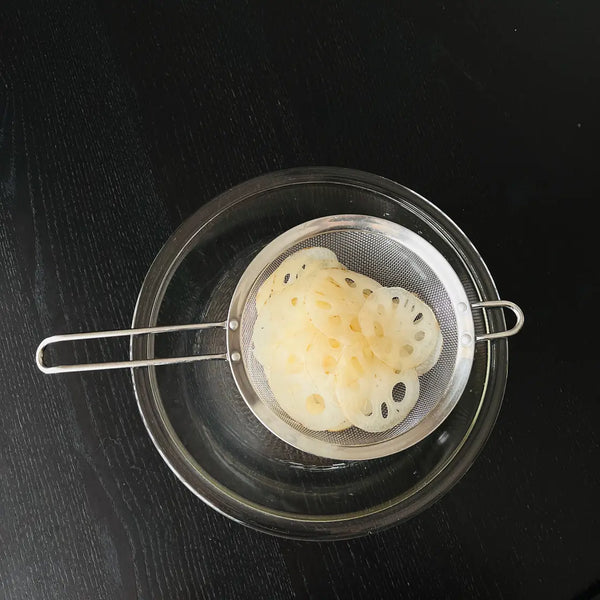
Slice the lotus root into 1-2mm pieces. Use a mandoline if you have one. Put the sliced lotus root pieces into the vinegar water and let them soak for 5-10 minutes.
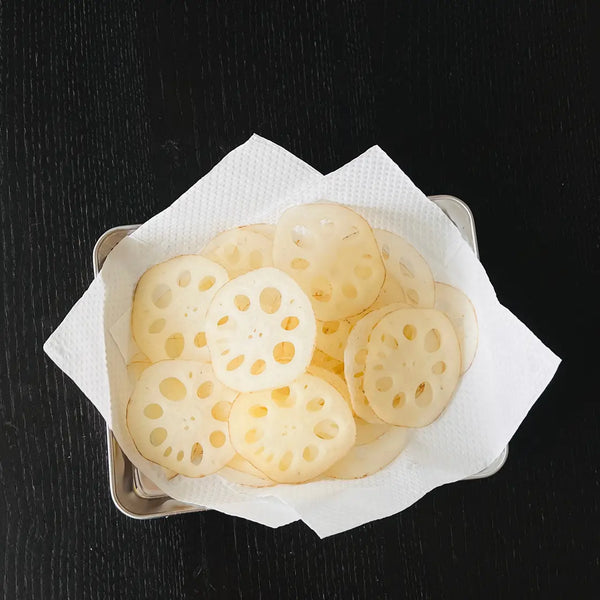
Drain and wipe the excess water off of the lotus root pieces with paper towels.
Expert's Tip

Tawashi is a useful tool for cleaning various things. Especially in the kitchen, Tawashi is used for cleaning pans, strainers as well as vegetables such as carrots, potatoes, burdock roots, lotus roots, and so on.
This Kamenoko Tawashi is compact and easy to use. If you don’t have one yet, be sure to check this one out!
3) Deep Frying the Lotus Root Slices


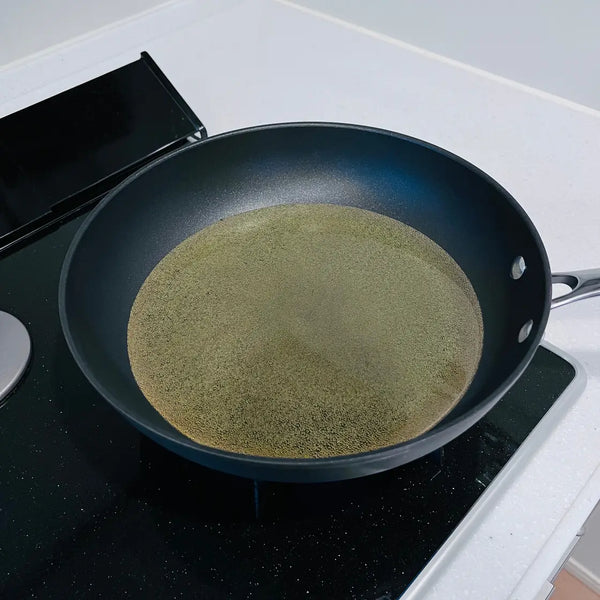
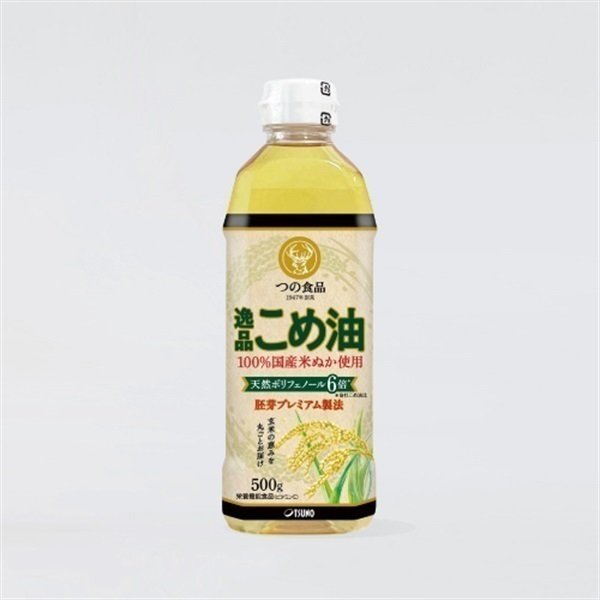
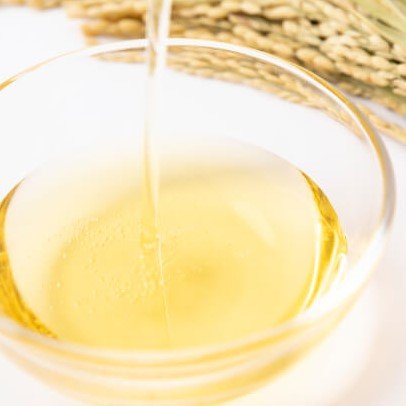
Add a neutral cooking oil to a pan or wide pot over medium heat. When it reaches 180℃, add the sliced lotus root pieces one by one and spread them evenly across the pan to create a single layer. Don’t add all of the lotus root pieces at once.
Deep fry for about 4 minutes. Flip the lotus root pieces with cooking chopsticks or tong at times to ensure even browning and crispiness.
4) Seasoning the Lotus Root Chips


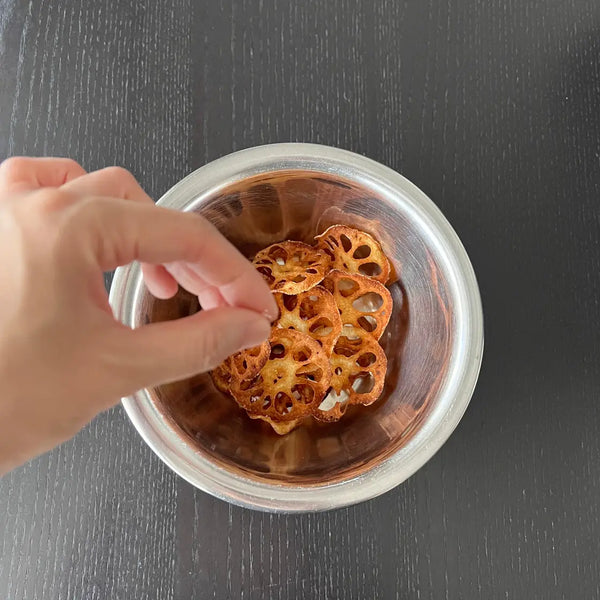
Take the lotus root chips out from the oil and drain the excess oil by placing them onto a wire rack or using paper towels. Then put half of the lotus root chips into a bowl and season with salt.
Being careful not to break apart the lotus root chips, toss the bowl to evenly coat the chips. Follow the same process for the other half of the chips in a bowl with salt and aonori dried seaweed flakes.
5) Baking Lotus Root Chips

If you want to make non-fried lotus root chips, try baking them instead.
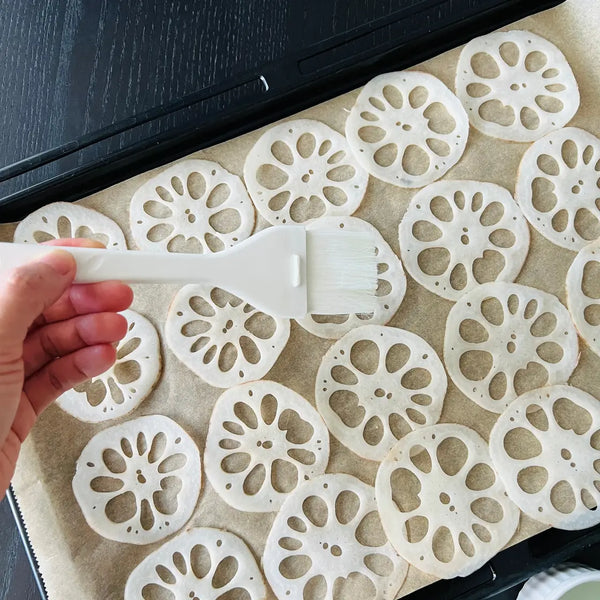
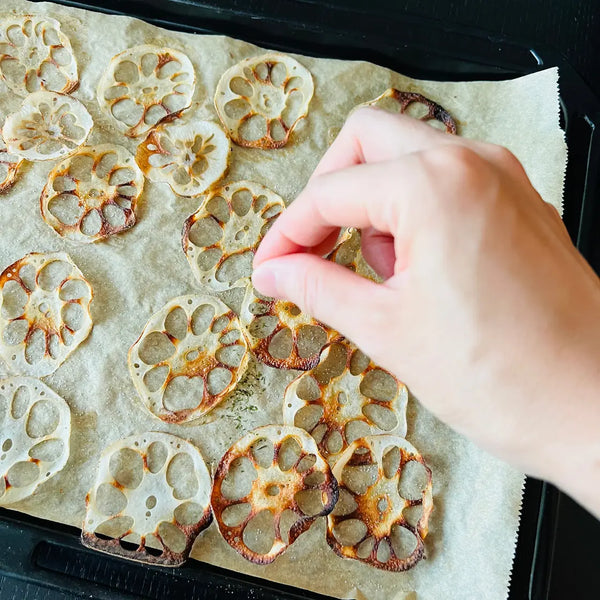
Prepare lotus root the same way until step 2. Place lotus root pieces onto a baking sheet lined with parchment paper. Spread some oil onto the surface of the lotus root pieces with an oil brush.
Preheat the oven to 180℃ and bake the lotus root chips for 10 minutes. }
When they’re finished baking, take them out and season with salt and aonori.
6) Air-Frying Lotus Root Chips

You can also make lotus root chips in an air fryer!
Similarly to the airbaked version of the chips, prepare your lotus root in the same way until step 2.
Put the sliced lotus root pieces into a bowl and mix them with vegetable oil and salt.
Place them in an air fryer basket and heat to 180℃. Shake the basket a few times and air fry the lotus root chips for about 7-9 minutes. Take them out of the air fryer and sprinkle them with aonori if desired.
7) Storing the Lotus Root Chips

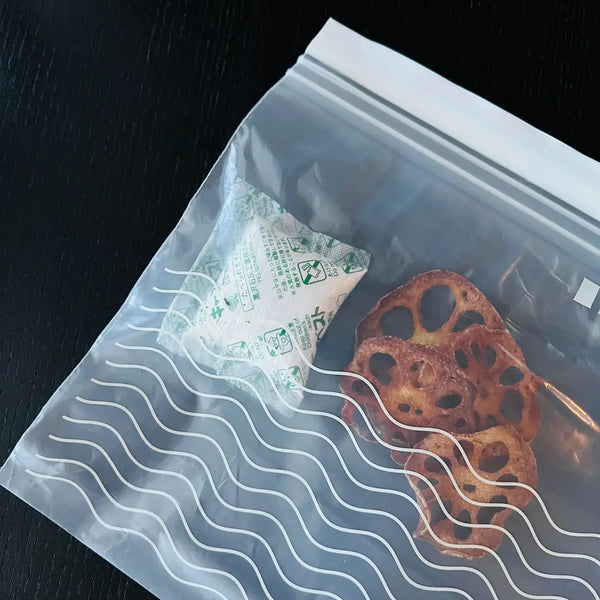
If you have leftover lotus root chips, put them in a zipper bag with a desiccant (something to remove moisture from the bag). They will stay fresh for up to two days. Enjoy!

Megumi Moriya
Megumi is a recipe writer based in Chiba, Japan. She carries a Bachelor in the Faculty of Foreign Studies and is interested in creating content about Japanese cuisine and traditional confectioneries. Megumi is most interested in making Japanese recipe content, and in her free time, she likes to play the piano, make handcrafted goods, and hula dance. She hopes to inspire Japanese Taste readers to make Japanese recipes at home and of course share more about Japanese culture.
Stay in touch
Subscribe to get Japanese Taste stories and news delivered to your inbox.