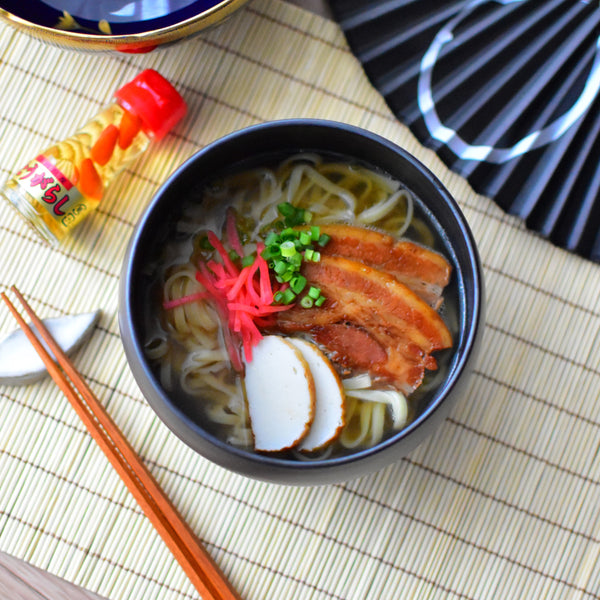
Okinawa Soba is a beloved traditional Okinawan dish enjoyed both at restaurants and as part of everyday home meals. For many locals, it represents comfort food—something warm, flavorful, and deeply connected to the islands’ culture and history.
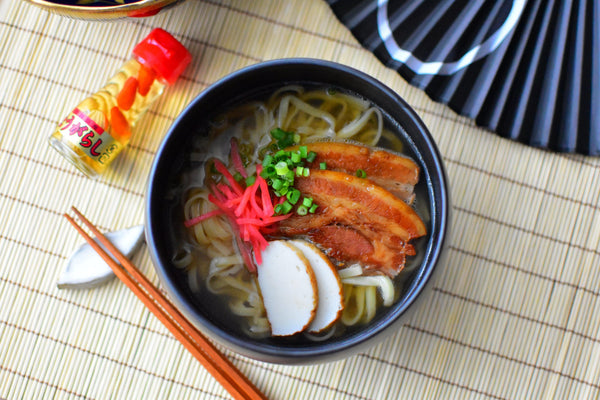
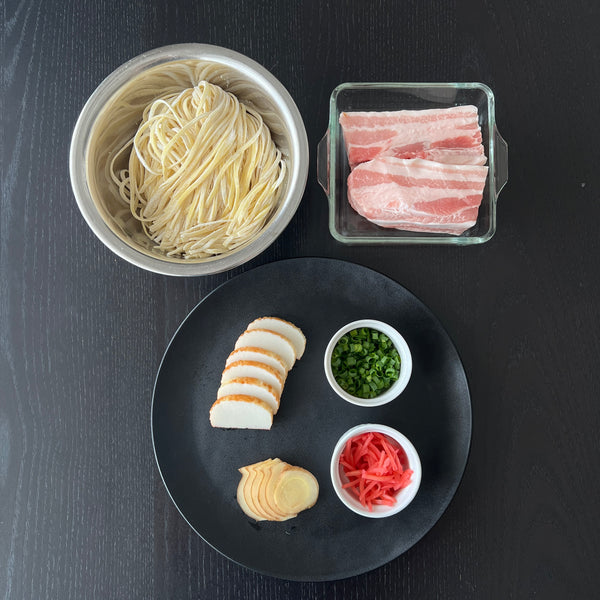
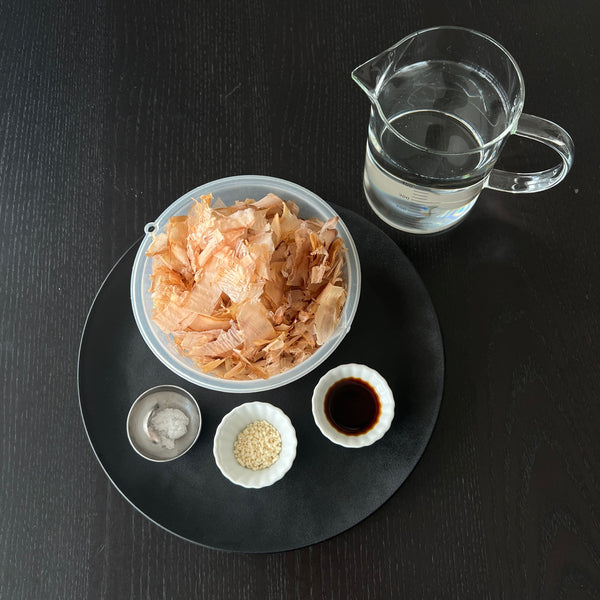
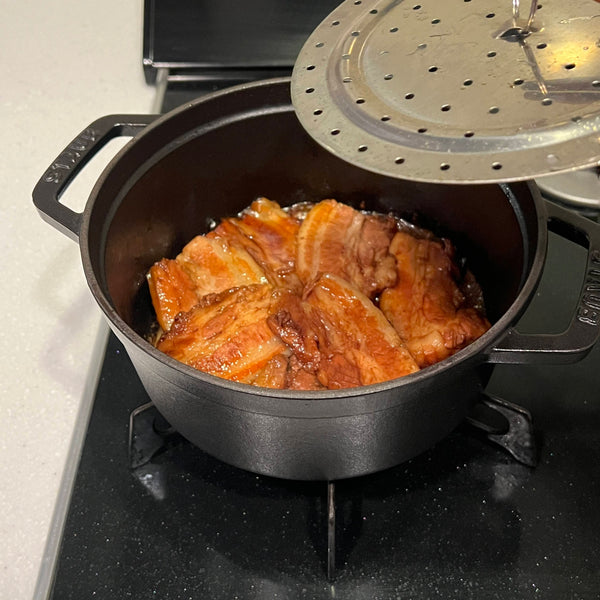
The main ingredients of Okinawa Soba typically include tender simmered pork belly slices, deep-fried fish cake, red pickled ginger, and freshly chopped green onion. The soup is commonly prepared using a base of pork broth blended with bonito soup stock, creating a rich yet gentle depth of flavor that spreads through your mouth with every sip. The balance between savory broth, chewy noodles, and aromatic toppings is what makes Okinawa Soba truly unforgettable.
There are also regional and ingredient-based variations of Okinawa Soba. Below are two of the most iconic types:
- Sōki Soba: Okinawa Soba featuring soft, slow-cooked spare ribs.
- Tebichi Soba: A version served with gelatin-rich pork trotters (pettitoes), offering a unique texture and richness.
While traditional Japanese soba noodles are made from buckwheat, the noodles used in Okinawa Soba contain no buckwheat at all. Instead, they are made entirely from wheat flour and are actually closer to Chinese-style noodles in texture and production method.
In this recipe, we use raw Okinawa Soba noodles, but dried noodles are also widely available and easier to purchase outside Japan. When searching for Okinawa Soba noodles, you’ll usually encounter three types, each associated with a particular region of the islands:
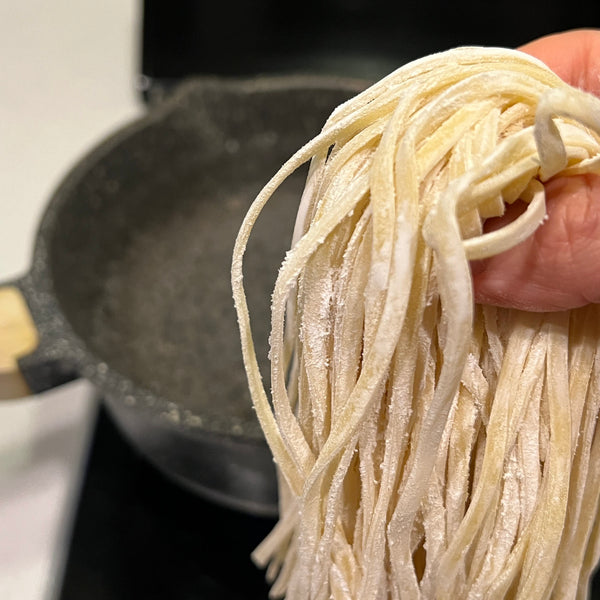
- Flat noodles: Similar in appearance to Pho or Fettuccine, these are mainly enjoyed in northern Okinawa. They offer the firmest and chewiest texture of the three types.
- Curly noodles: Popular around southern Okinawa including Naha City, the curl helps the noodles soak up and hold the soup beautifully.
- Round noodles: Straight in shape with round edges, these are commonly eaten on Ishigaki Island and have a subtly different bite and softness.
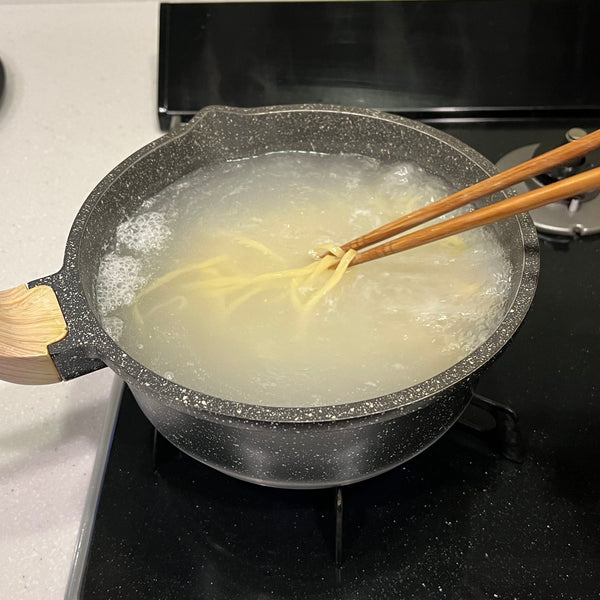
Overall, the texture and taste of Okinawa Soba noodles are closer to Udon than to buckwheat soba or ramen. So if you can’t find authentic Okinawa Soba where you live, Udon noodles work well as a substitute.
Although making Okinawa Soba from scratch takes time, preparing this regional specialty is a rewarding culinary experience. Choosing your preferred noodle style and toppings is part of the fun—and a wonderful way to experience a taste of the Japanese islands from home.
Okinawa is also home to a rich food culture beyond Okinawa Soba. When people think of Okinawan cuisine, Goya Champuru is almost always mentioned. This stir-fry dish combines bitter melon and egg, creating a healthy and flavorful staple loved by both adults and children.
Due to the American military presence on the island, Okinawan food culture developed influences from both Japan and the U.S., which led to the creation of dishes like Okinawan Taco Rice—now a modern local classic.
And for those with a sweet tooth, traditional Okinawan desserts are not to be missed. Sata Andagi, a deep-fried sweet treat similar to a doughnut, is especially famous across Okinawa and southern Japan, including Kagoshima.
Okinawa cuisine is full of character, heart, and history—so if you enjoy Okinawa Soba, there’s a whole world of flavors waiting to be explored.
Instructions
1) Gathering the Ingredients
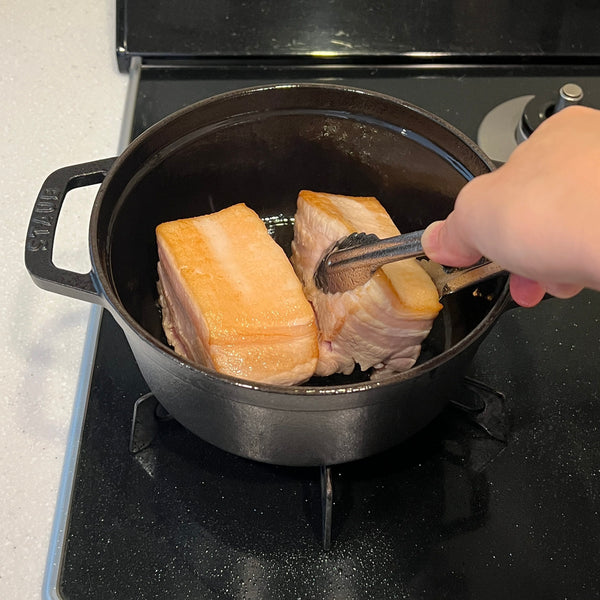
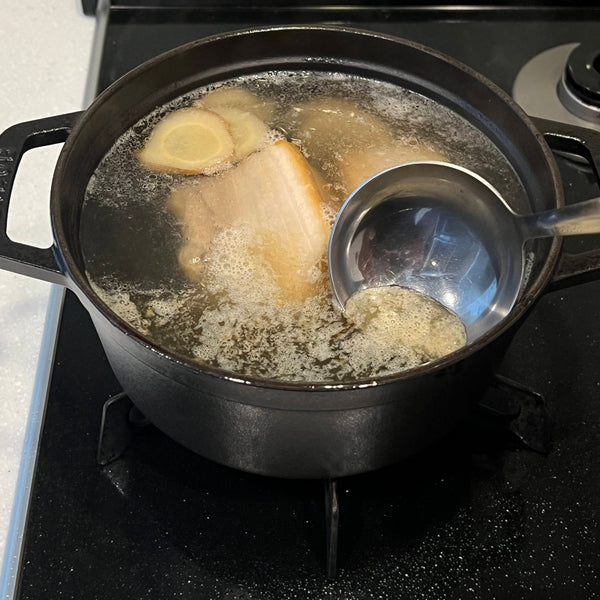
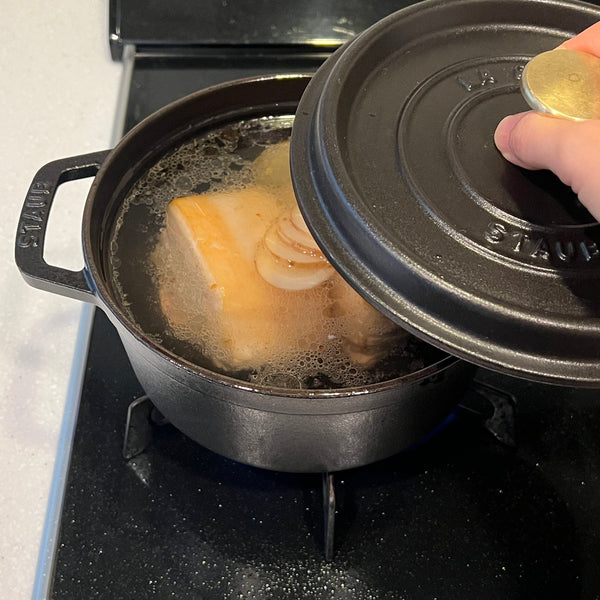
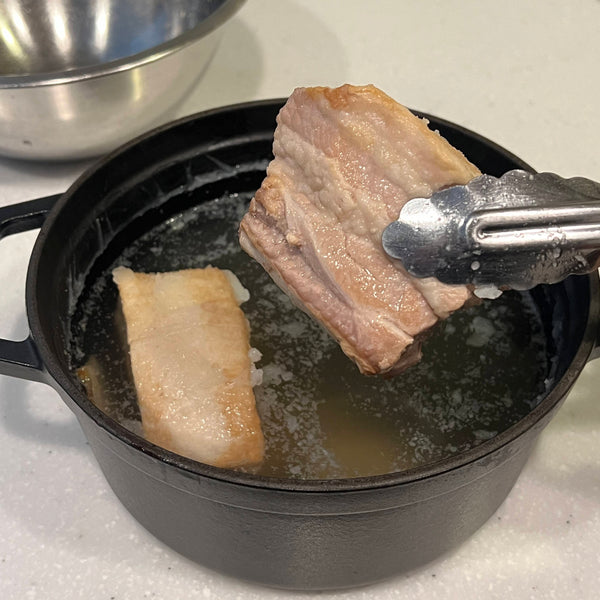
2) Searing and Simmering the Pork Belly
Expert's Tip
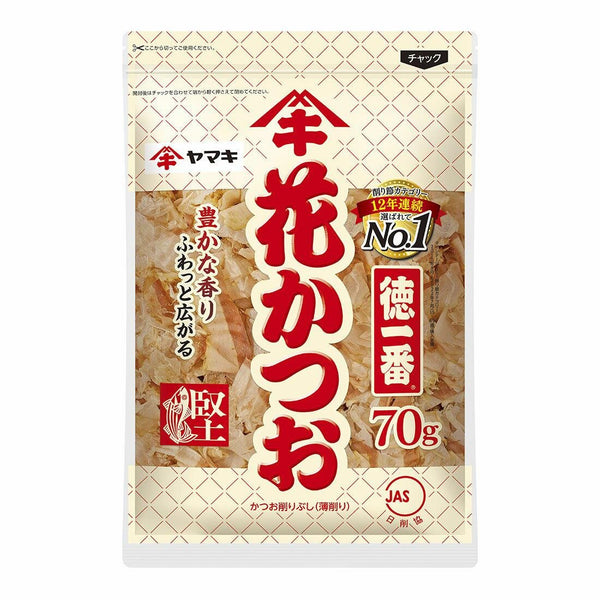
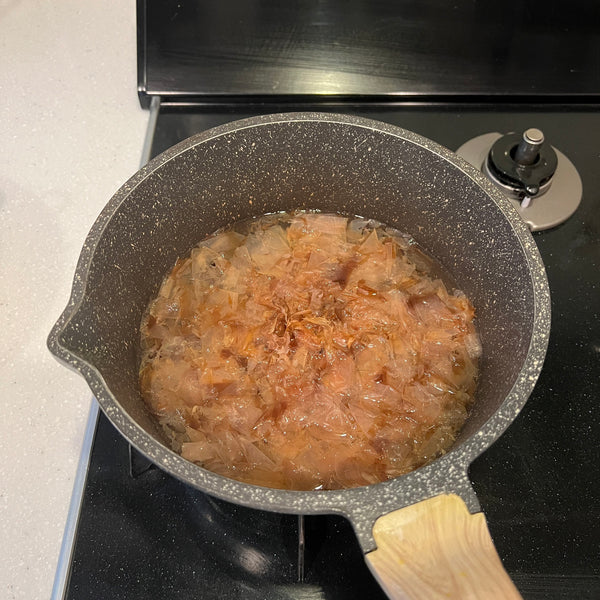
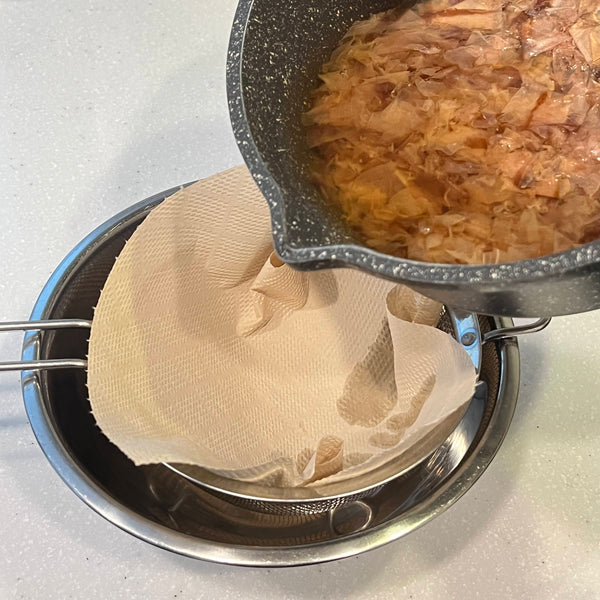
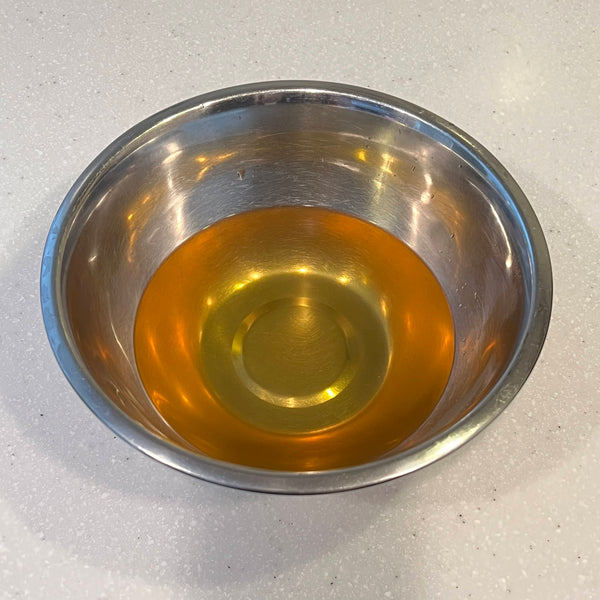
3) Making the Dashi Soup Stock
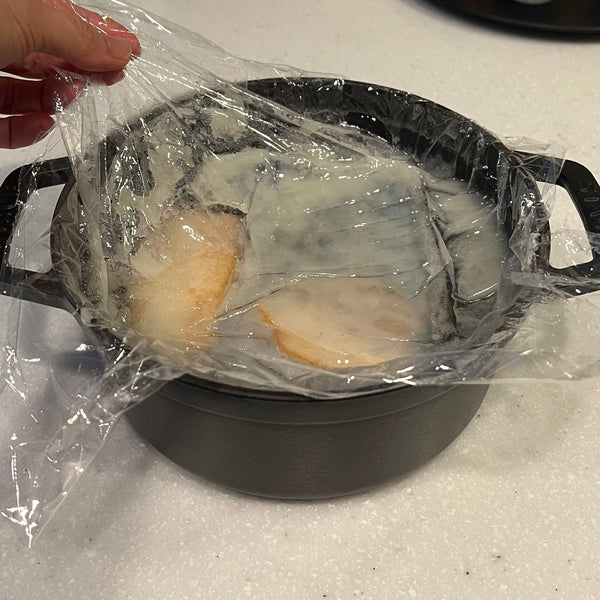
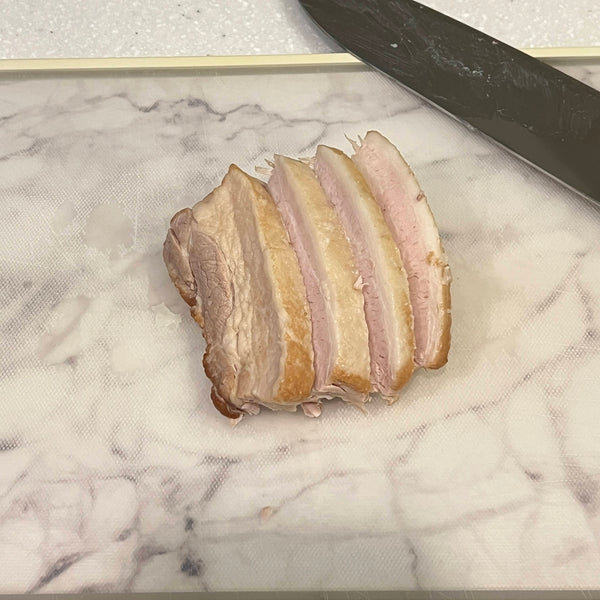
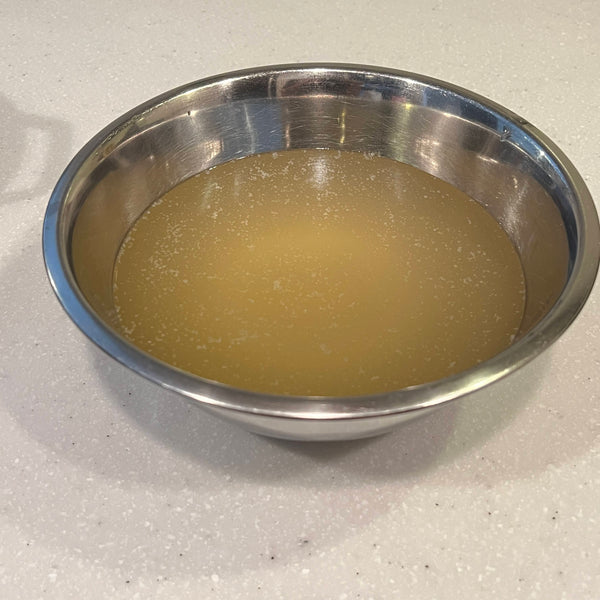
4) Separating the Pork Belly Fat From The Broth & Slicing The Pork Belly
5) Combining the Pork Broth and Dashi
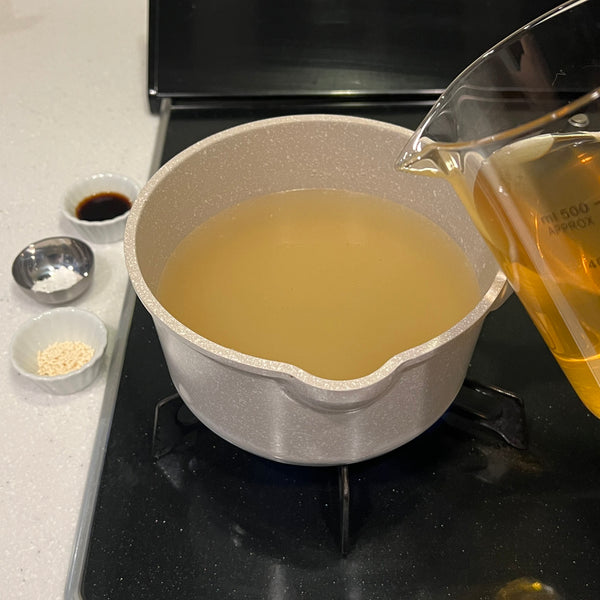
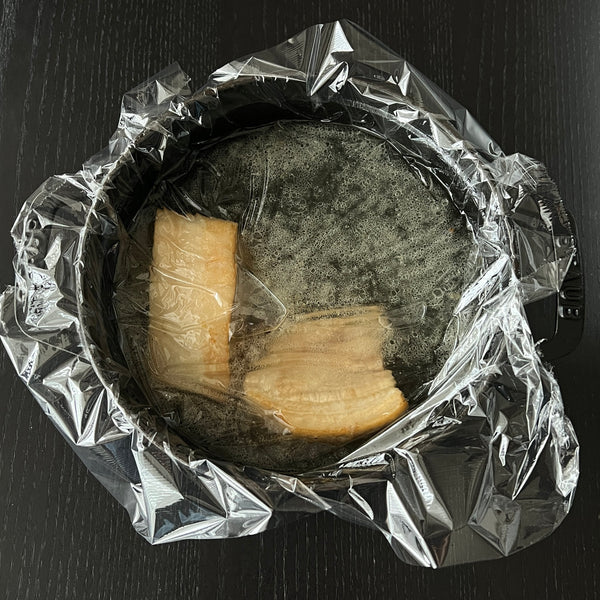
6) Braising the Pork Belly Slices
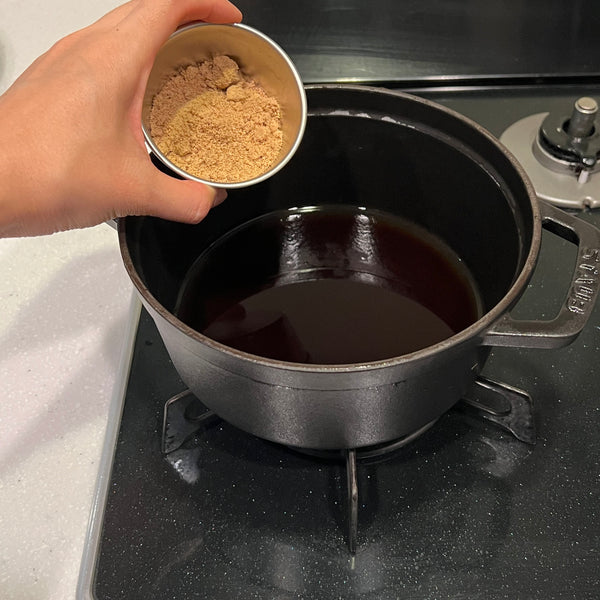
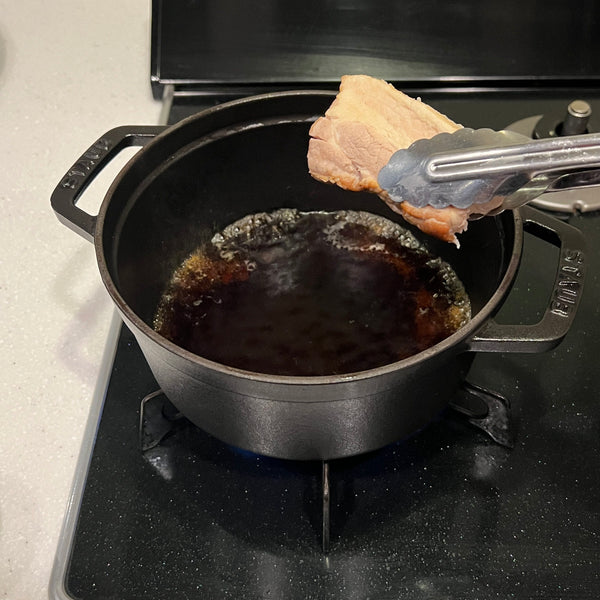
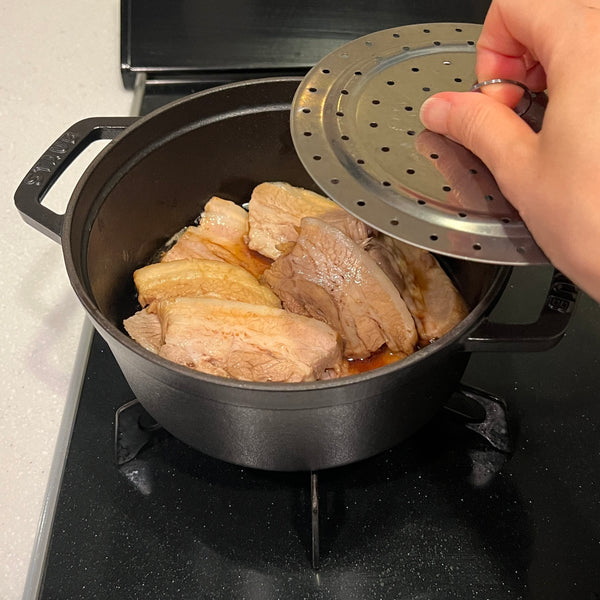
7) Boiling the Okinawa Soba Noodles
8) Assembling the Okinawa Soba