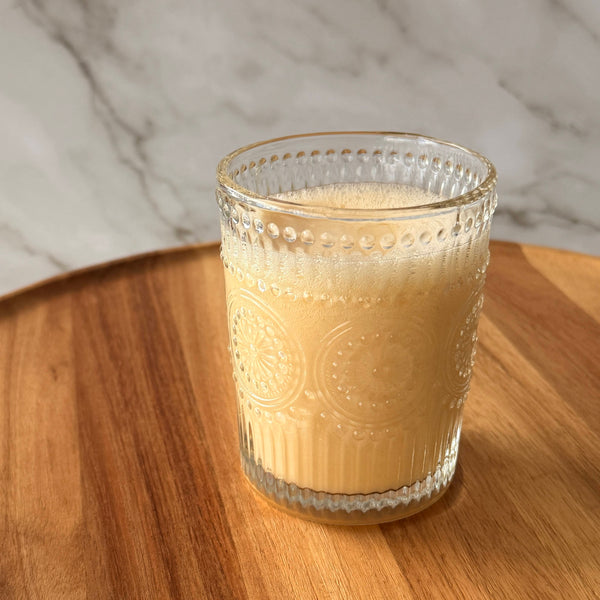

Tamago zake is a nostalgic hot cocktail that is especially appreciated during the winter months in Japan. Its smooth, custard-like texture and gentle sweetness make tamago zake a comforting and cozy drink. Today, I will introduce a Japanese eggnog recipe and explain its unique appeal.
When you look at the cover photo, you may notice that tamago zake is quite similar to Western eggnog. Indeed, tamago zake shares similarities with eggnog, but what sets it apart is the type of alcohol used.
While Western eggnog typically features brandy, rum, or bourbon, tamago zake uses Japanese sake (nihon-shu), which adds a refined and elegant flavor. Tamago zake is also believed to have remedial effects. While eggnog is traditionally enjoyed during the holiday season, especially around Christmas in Western countries, tamago zake has long been regarded as a traditional remedy for relieving or preventing cold symptoms. This practice dates back to the Edo period, when eggs were considered a valuable source of nutrition.
Today, tamago zake is mainly enjoyed as a warming drink, even though it is made with only a few simple ingredients: egg, sugar, and Japanese sake. Nihon-shu contains adenosine, which helps improve blood circulation and raises body temperature, making it ideal for cold days.
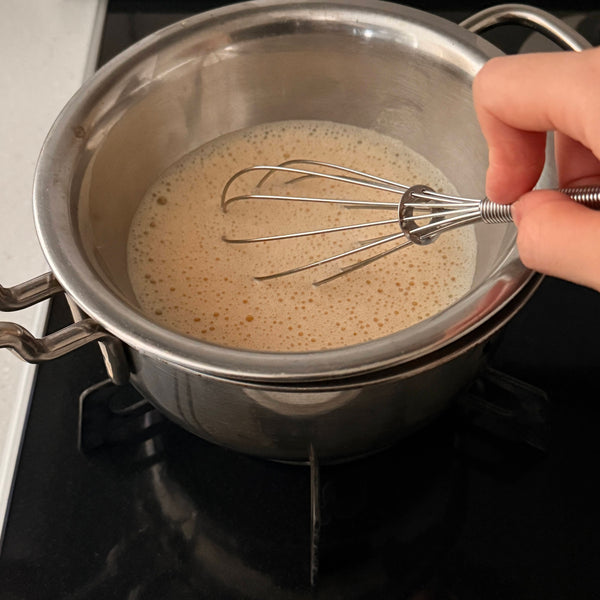
Choosing the right sake is important when making the Japanese version of eggnog. Japanese sake changes its flavor depending on temperature and is categorized into four levels: Atsukan (50 to 55°C), Jyokan (45 to 50°C), Nurukan (40 to 45°C), and Hitohadakan (35 to 40°C). A gentle hot water bath is recommended to control the temperature precisely. In this recipe, stove heating is used, but care must be taken not to overheat the sake, as excessive heat can damage its umami and create harsh alcoholic notes.
Because tamago zake is served warm, sake varieties such as junmai-shu and honjozo-shu are ideal choices. Daiginjo, known for its delicate aroma, and namazake, which is typically enjoyed chilled, are not well-suited for this recipe. Junmai-shu is used here because its umami becomes richer when warmed.
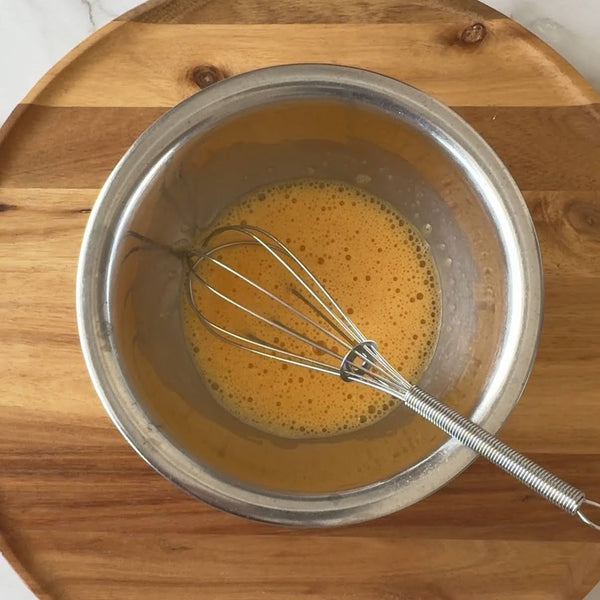
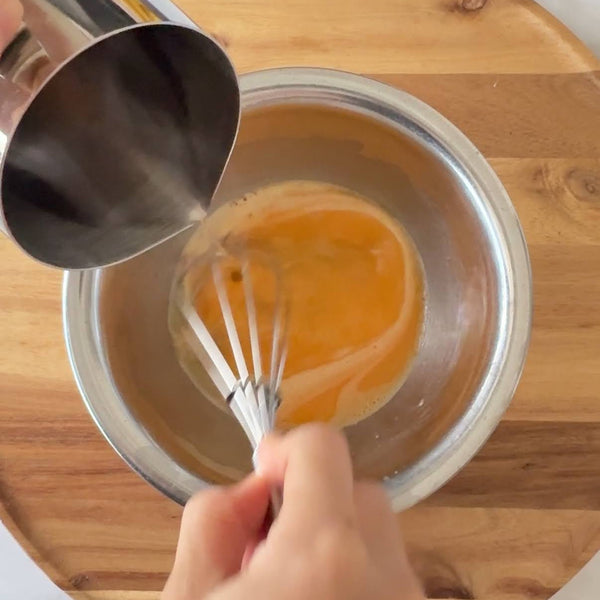
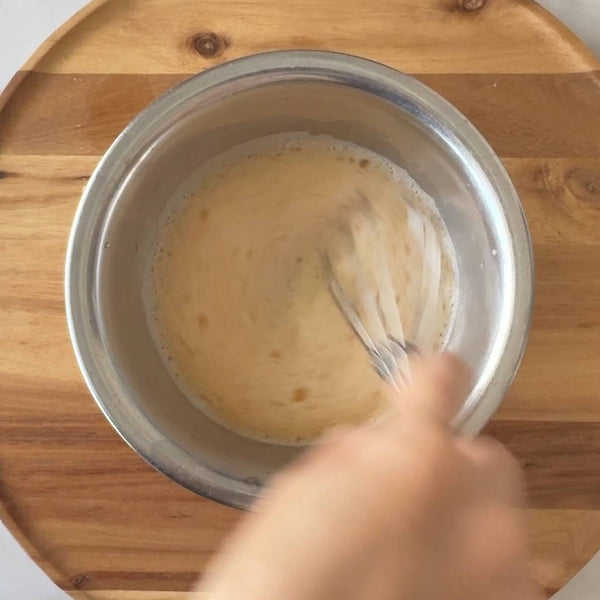
Although tamago zake is easy to make, careful preparation is essential. First, the egg must be whisked thoroughly until slightly frothy to break down the egg whites and achieve a smooth texture. Second, the warmed sake should be added little by little to prevent the egg from curdling, as egg whites coagulate at around 60°C and egg yolks at around 65°C.
Since tamago zake contains alcohol, it should be avoided by children, those sensitive to alcohol, and pregnant or breastfeeding individuals. For a non-alcoholic version, non-alcoholic amazake can be used instead.
Tamago zake has a rich, lightly frothy texture that is best enjoyed immediately after serving. Because it is made with raw egg, it should be consumed on the same day for food safety. Enjoy this comforting homemade drink while it is warm.
Instructions
1) Gather the Ingredients

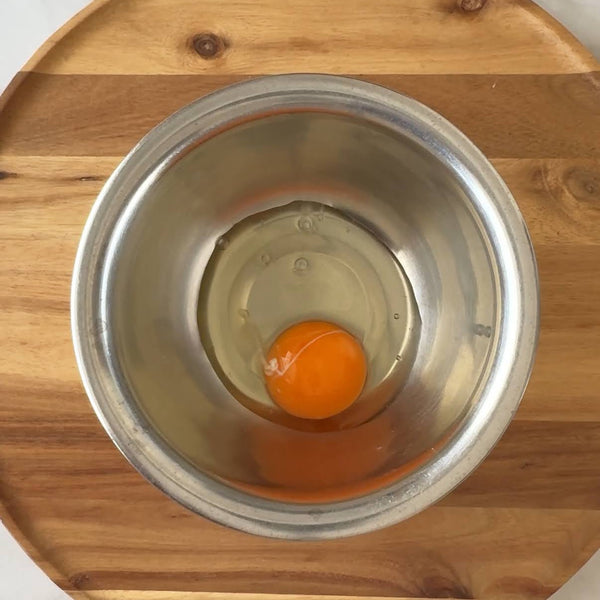
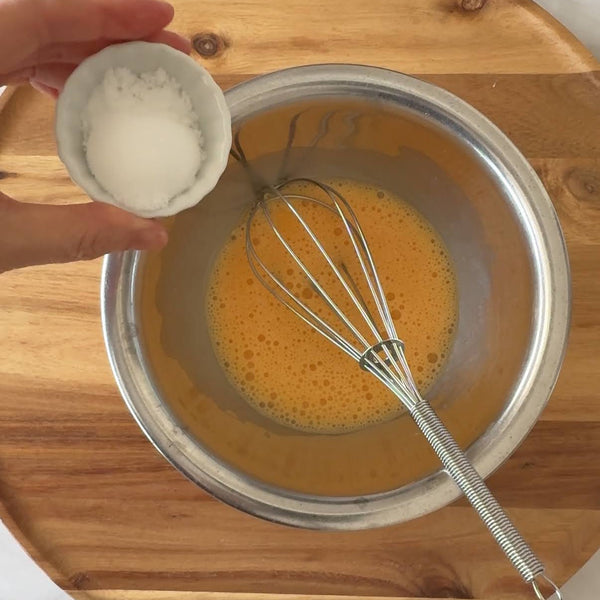
2) Prepare the Egg Mixture
Expert's Tip

3) Heat the Sake
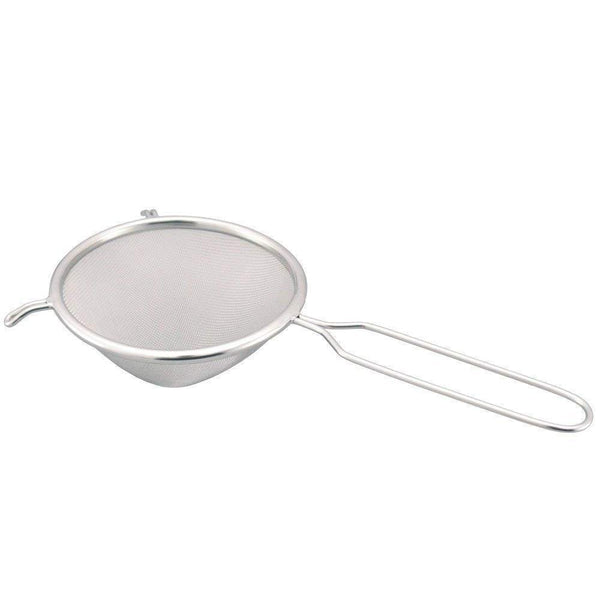
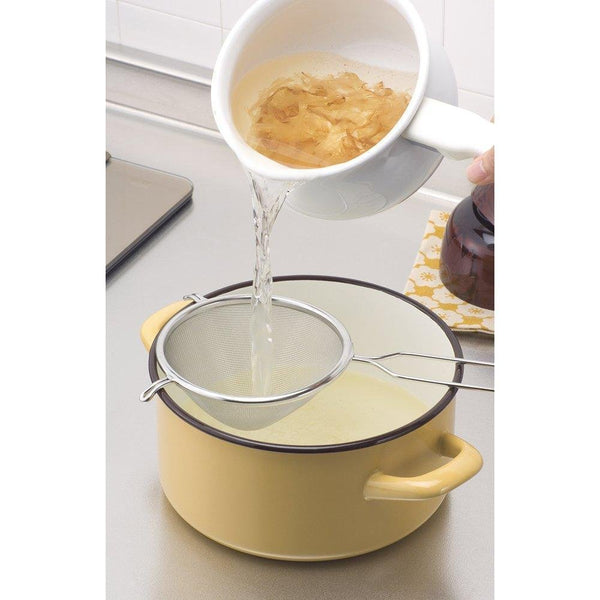
4) Strain the Egg Mixture


5) Add the Sake
6) Make it Creamier (Optional)
7) Serve & Enjoy!